
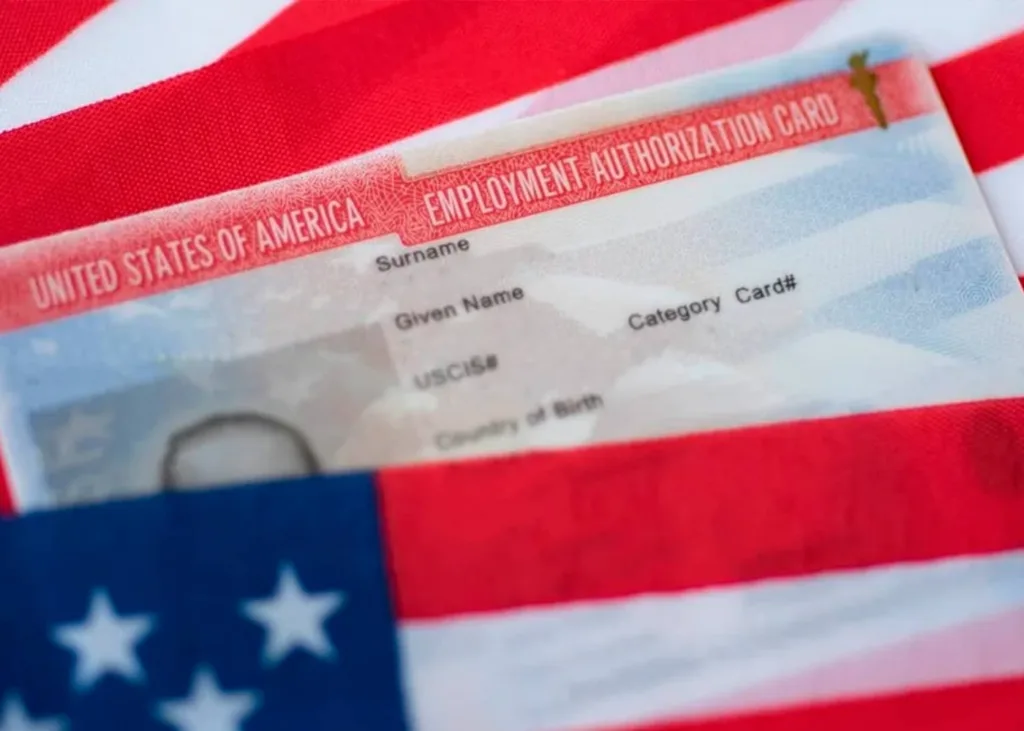
Many immigrants breathe a sigh of relief the day their work permit arrives. It’s a big moment, the ability to work legally, support a family, and live with more stability. But work authorization is often misunderstood, and that confusion can lead to costly mistakes.
A work permit is permission to work. It’s not a green card. It doesn’t grant lawful status, and it doesn’t protect someone from removal proceedings. It also doesn’t guarantee eligibility for future immigration benefits.
That doesn’t make a work permit any less valuable, it simply means people need clarity about what it actually provides.
Work authorization is usually connected to another immigration process. Asylum applicants, DACA recipients, TPS holders, and individuals with certain pending applications may qualify. The permit relies on the underlying case staying active and in good standing. When that foundation changes, the work permit can change too.
Another common misunderstanding involves travel. Many people believe that a work permit allows them to leave the country and return without a problem, but that’s not true. Unless someone has been granted advance parole, international travel can carry serious consequences, even for those with years of work authorization.
Where work permits truly matter is in the opportunities they open. With authorization, individuals can build credit, find stable employment, and create a foundation for a stronger future. It’s a step forward, but not the finish line.
Understanding the limits and strengths of a work permit helps people make smarter, safer decisions. And when clients know what to expect, they stay better prepared for the next stage of their immigration process.
At HMA Legal, we help clients navigate every part of the journey, from applying for work authorization to building a long-term strategy for lawful status. If you have questions about what your work permit means for your case, we’re here to guide you.