
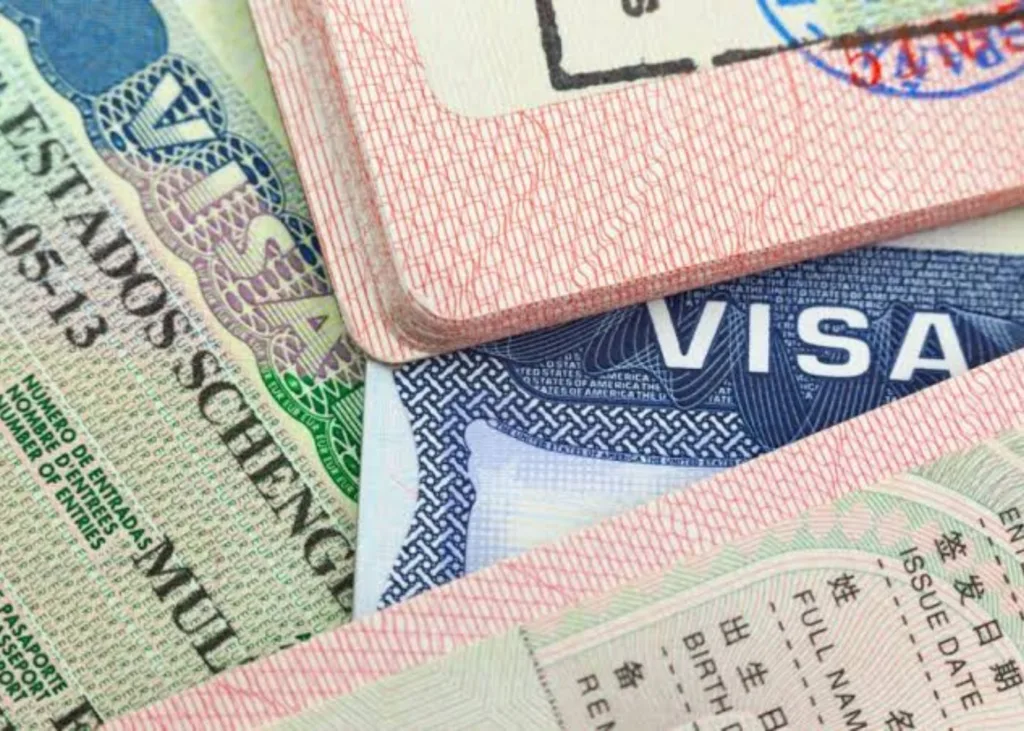
Overstaying a visa is more common than most people realize, and it’s not always the end of the road. But the rules are strict, the clock matters, and the wrong move can lock you out of the U.S. for years. Here are your options.
First, know your real deadline
The date that matters is on your Form I-94, not your visa expiration date. Your visa is just an entry document. The I-94 controls how long you can legally stay. The moment your authorized stay expires, you begin accruing unlawful presence.
The consequences: the 3-year and 10-year bars
Unlawful presence triggers re-entry bars when you leave the country. More than 180 days but less than one year of unlawful presence, followed by departure, results in a 3-year bar from re-entering the U.S. One year or more, followed by departure, triggers a 10-year bar. There is also a permanent bar for people who accrue more than a year of unlawful presence, depart, and then re-enter or attempt to re-enter without authorization.
Overstaying also automatically voids your visa, so you would need to reapply from your home country.
Your options to fix your status
The most powerful fix, if it applies to you, is adjustment of status as an immediate relative of a U.S. citizen. Spouses, parents, and unmarried children under 21 of U.S. citizens are exempt from the overstay bars if they were lawfully admitted or paroled at entry. They can file Form I-485 from inside the U.S. without ever having to leave, which means the 3 and 10-year bars never get triggered.
If you must leave for consular processing, the I-601A provisional waiver lets you get pre-approval before departing, so you do not get stuck abroad. You must prove extreme hardship to a U.S. citizen or lawful permanent resident spouse or parent.
The I-601 waiver is filed when you are already outside the U.S. or otherwise inadmissible, and also requires proof of extreme hardship to a qualifying relative. The I-212 is used to request permission to reapply after a deportation or removal order, and is often combined with an I-601.
Humanitarian options like asylum, U visas, T visas, and VAWA can also offer relief and, in some cases, exemption from unlawful presence accrual.
What changed in 2025 and 2026
USCIS updated its unlawful presence guidance effective December 5, 2025, clarifying how days are counted. Enforcement has also tightened considerably. There have been reports of applicants being placed into removal proceedings during adjustment interviews, even in cases that would otherwise qualify for approval. The risk of acting without legal counsel is higher than it has been in years.
The most important thing to understand is this: the bar is usually triggered by departure, not by overstaying itself. Do not leave the country before speaking with an attorney. The HMA Law Firm can review your situation and help you understand your options before you make any move. Call +1 (703) 964-0245 or visit hma-legal.com.